Someone's at the Door With a Dish: How Bringing Food to People in Pain Became a Lost Language We Desperately Need to Relearn
Someone's at the Door With a Dish: How Bringing Food to People in Pain Became a Lost Language We Desperately Need to Relearn
Somewhere between the rise of DoorDash and the decline of knowing your neighbors' last names, we stopped doing something that used to come almost automatically: we stopped showing up at each other's doors with food.
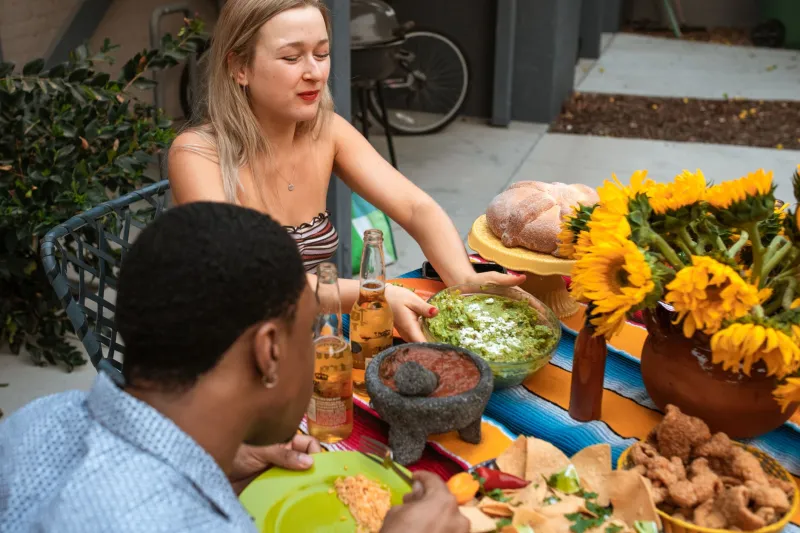
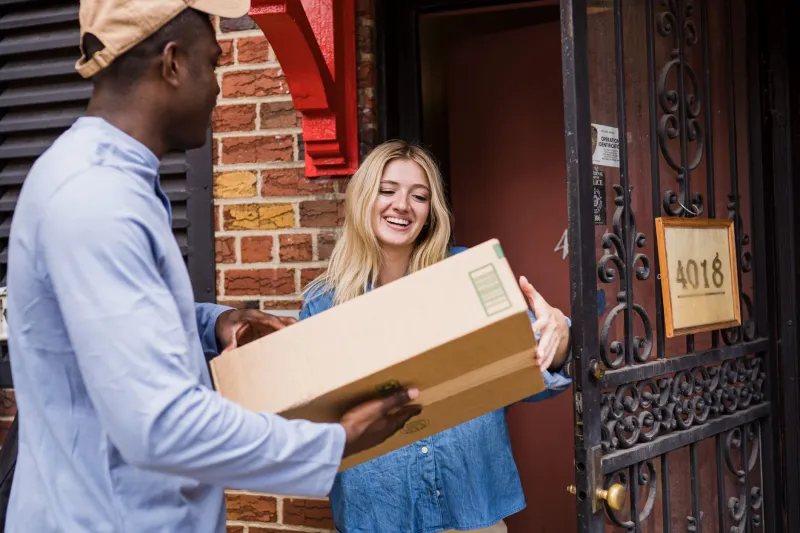
Not restaurant food. Not a gift card to Grubhub. Actual food — a foil-covered pan of lasagna, a pot of chicken soup, a plate of brownies still warm from the oven — carried across a street or a parking lot or a hallway to someone who was hurting.
For generations of Americans, this was just what you did. A baby arrived. You brought a casserole. Someone lost a job, buried a parent, came home from the hospital. You showed up at the door with something made by your own hands and you said, without having to say a single word: I see you. You don't have to hold it all together right now. I've got this one thing covered.
That language has gone almost completely quiet. And I think we're all feeling the silence.
Why Food Was Never Really About the Food
Let's be honest — a pan of baked ziti is not going to fix a broken heart or bring someone's dad back or make a cancer diagnosis feel less terrifying. Nobody ever thought it would. That's not the point, and it never was.
The point is the act itself. The decision to stop what you're doing, walk into your kitchen, make something with your hands, and carry it to someone else's door. That sequence of choices communicates something that a text message — no matter how thoughtfully worded — simply cannot replicate. It says: your pain is real enough to cost me something.
Food, in nearly every culture on earth, is one of the primary love languages. Psychologists and anthropologists have written about this for decades. There's something primal about it — the idea that nourishment is care, that feeding someone is an act of protection. When you bring food to a grieving family, you're tapping into something ancient and deeply human. You're saying: let me carry this small thing so you don't have to.
And the recipient feels it. Studies on social support consistently show that tangible, practical help — the kind that actually reduces someone's daily burden — has a more measurable effect on emotional wellbeing than emotional support alone. Telling someone you're there for them matters. Showing up with dinner so they don't have to figure out what to eat tonight? That matters more.
How We Drifted Away From This
It didn't happen overnight, and it wasn't anyone's fault exactly. Life got faster. Neighborhoods got more anonymous. We moved across the country for jobs and ended up far from the people who would have shown up at our doors — and far from the doors we would have shown up at. We got more private about our struggles, more careful about imposing, more likely to say let me know if you need anything and then quietly wait to never be asked.
There's also the awkwardness factor. Somewhere along the way, the casserole drop started to feel like something your grandmother did — charming but a little old-fashioned, maybe even presumptuous. What if they have dietary restrictions? What if they don't want visitors? What if it's weird?
So we send the text. We drop the heart emoji. We mean it, genuinely. But the door stays closed, and the person on the other side of it eats cereal for dinner and wonders why they feel so alone even though their phone is full of people who care.
The Emotional Weight of a Covered Dish
Here's something I keep coming back to: in almost every American community that still practices this tradition — whether it's rooted in Southern culture, immigrant family networks, tight-knit religious congregations, or rural neighborhoods — people describe the experience of receiving food during a hard time as one of the most meaningful things anyone ever did for them.
Not the most impressive. Not the most expensive. The most meaningful.
There's something about the specificity of it. Someone thought about you specifically. They went to their kitchen specifically. They made something they thought you might like, or they made the thing they always make because it's what they know how to give. And then they came to you. They didn't wait for you to ask. They just came.
That kind of initiative — that willingness to presume that someone needs care and to offer it without being invited — is increasingly rare. And its rarity makes it feel, when it happens, almost extraordinary.
How to Bring This Back (Without Making It Weird)
Okay, so here's the practical part — because I know some of you are reading this and thinking, I want to do this, but I genuinely don't know how to start.
Good news: it doesn't have to be complicated, elaborate, or perfect.
Start with what you already make. You don't need a new recipe. You need the thing you can make without thinking too hard — your go-to pasta bake, your mom's soup, a batch of muffins from a box mix. The effort is what counts, not the culinary ambition.
Lower the stakes on the delivery. You don't have to knock on the door and have a whole thing. A quick text — hey, I'm dropping something off for you, no need to come to the door — removes all the social pressure. Leave it on the porch. Keep it simple.
Don't wait for a crisis. Yes, grief and illness are the classic moments. But food as care works for smaller things too. A friend going through a brutal week at work. A neighbor who just moved and is clearly overwhelmed. A mom who seems like she's barely keeping it together. You don't need a tragedy to justify showing up.
Include a little note. Nothing elaborate. Even just thinking of you — no need to respond tells them they don't owe you a thank-you call they don't have energy for. That's a gift in itself.
Let yourself receive it too. If someone shows up at your door with food, let them. Don't deflect. Don't say you're fine. Say thank you, and mean it, and let that moment be what it is: someone loving you in a language that goes back further than words.
The Hug That Arrives in a Dish
There's a reason this site is called Emma's Hug. Because some of the most powerful wellness practices aren't about you alone — they're about the places where your life touches someone else's, where care flows between people without needing to be earned or scheduled or optimized.
A covered dish on a doorstep is one of those places. It's not flashy. It won't go viral. But it might be the thing someone remembers twenty years from now as the moment they felt truly held by their community.
And honestly? That's the whole thing. That's all any of us are really trying to do for each other.
Go make something. Bring it over. Ring the bell.