One Afternoon, One Street, One Thousand Small Miracles: Why the Block Party Is the Wellness Trend Nobody Saw Coming
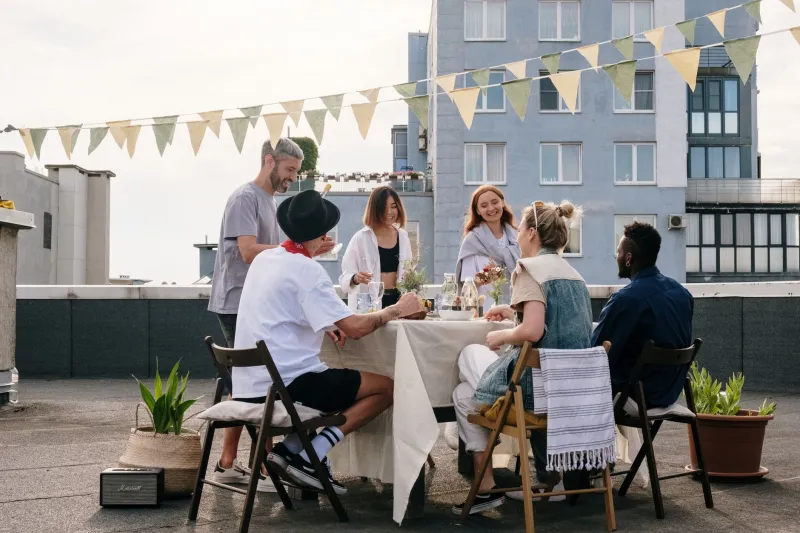
Let me paint you a picture.
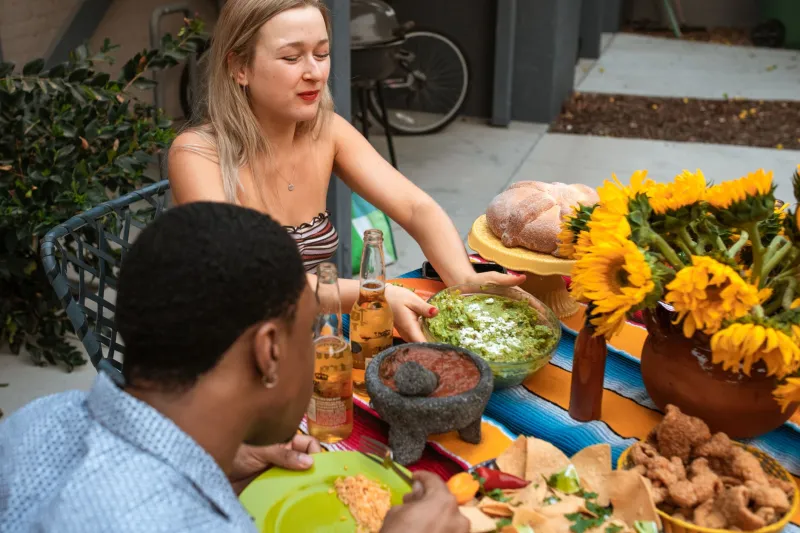
It's a Saturday in late August. Someone has dragged a Bluetooth speaker onto the driveway. There's a folding table with a vinyl tablecloth that's seen better days, and on it sits a potluck spread that absolutely nobody planned — three pasta salads, two trays of brownies, and one very ambitious homemade guacamole. Kids are running through someone's sprinkler. A dad you've waved at for two years but never actually talked to is laughing at something your husband just said. And you're standing there with a paper plate thinking: why don't we do this more often?
That feeling? That's not nostalgia. That's your nervous system exhaling.
The Quiet Epidemic Happening Right Outside Your Door
We talk a lot about loneliness in this country — and we should. Research from Surgeon General Dr. Vivek Murthy has called it a public health crisis. But what's interesting is that some of the most isolated people in America aren't living alone in studio apartments. They're living in cul-de-sacs. They're in suburbs with manicured lawns and two-car garages and absolutely zero idea what the person three houses down does for a living.
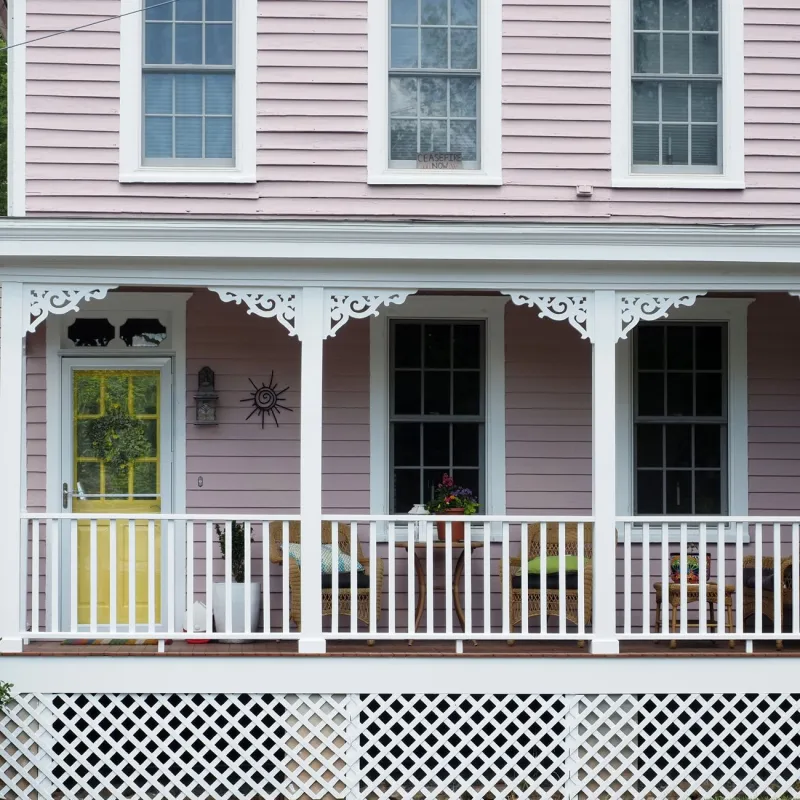
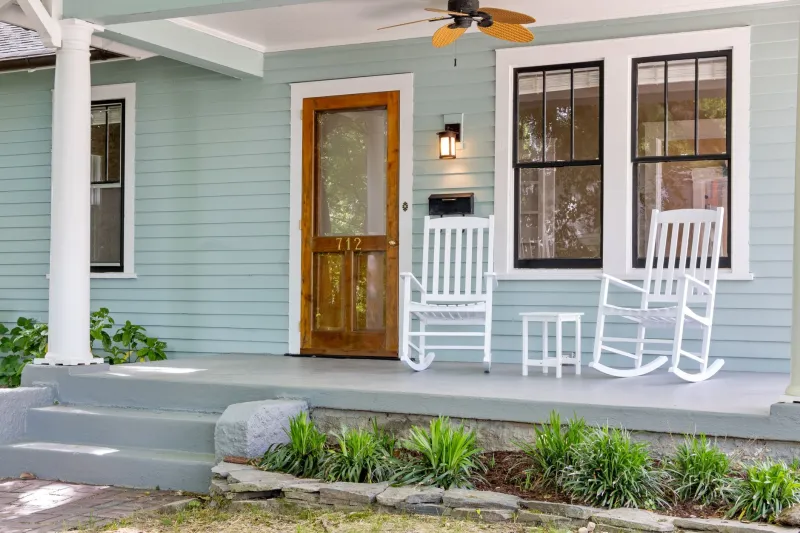
We've built our neighborhoods for privacy, not for people. Fenced backyards. Attached garages. Ring doorbells that let us see who's there without ever opening the door. And slowly, quietly, the sidewalk became a place you pass through rather than a place you linger.
The block party, in its old-fashioned, slightly chaotic glory, is a direct counterpoint to all of that. It says: come out. be seen. eat something. stay a while.
What Actually Happens When Neighbors Gather
Here's what the research tells us, and it's kind of beautiful: even a single positive interaction with a neighbor has measurable effects on how safe people feel in their community. Not just emotionally safe — physically safe. People who know their neighbors by name are more likely to report suspicious activity, more likely to help in an emergency, and more likely to check in on someone who seems to be struggling.
Put a different way: a block party isn't just a fun afternoon. It's infrastructure. It's the invisible scaffolding that holds a neighborhood together when things get hard.
Social psychologists call it "ambient belonging" — the low-hum sense that you are known, that you matter to the people around you, even when you're not actively interacting with them. And it turns out that feeling doesn't require deep friendship. It just requires familiarity. It requires having seen someone's face, learned their dog's name, shared a laugh over bad weather.
One afternoon can do that. Genuinely.
Real Streets, Real Stories
In a neighborhood outside of Columbus, Ohio, a woman named Patrice decided to organize her street's first block party after her family had lived there for six years without knowing more than two other households. She printed flyers. She borrowed a folding table from her church. She made a big pan of mac and cheese and hoped for the best.
Twenty-three families showed up.
Within a year, those same neighbors had formed a group text, started a tool-lending system, and rallied together when an elderly couple on the corner needed help after a health scare. "It all started with that one afternoon," Patrice said. "Once people know you exist, they show up for you."
That's the thing about community — it doesn't usually start with a grand vision. It starts with someone dragging a folding table to the end of the driveway and deciding to try.
The Barrier Is Lower Than You Think
I know what you might be thinking. I'm not an event planner. I don't have the bandwidth. What if nobody comes?
Here's what I want you to hear: the bar for a block party is delightfully, refreshingly low. You don't need a permit for most residential street gatherings (though it's worth checking your city's guidelines — many municipalities actually have free or low-cost permit processes specifically for neighborhood events). You don't need a budget. You don't need a theme.
You need:
- A date (weekend afternoons in late spring through early fall tend to work best)
- A few flyers or a neighborhood app post (Nextdoor is genuinely useful for this)
- One or two neighbors willing to co-host so you're not doing it alone
- A potluck format so the food takes care of itself
- A willingness to let it be a little imperfect
That's it. The messy, improvised ones are often the ones people remember most fondly anyway.
Why This Is a Wellness Practice, Not Just a Party
At Emma's Hug, we talk a lot about wrapping yourself in warmth — and I mean that literally and figuratively. But community connection is one of the most evidence-backed wellness tools we have, and it's wildly underused.
Studies consistently link strong social ties to lower rates of depression and anxiety, better immune function, and even longer life expectancy. The Blue Zones — those pockets of the world where people routinely live into their 90s and beyond — aren't just eating well and sleeping enough. They're embedded in community. They know their neighbors. They show up for each other.
A block party isn't going to replace therapy or a good night's sleep. But it is a legitimate act of wellness — for you and for everyone on your street.
There's also something to be said for the specific joy of outdoor, analog togetherness. No screens. No curated highlight reels. Just people being a little awkward and a little generous and a little more human than they usually let themselves be on a Tuesday.
How to Make Yours Actually Happen This Year
If you're feeling the pull, here's a gentle nudge to just go for it:
Start with one conversation. Knock on a neighbor's door and say, "Hey, I've been thinking about doing a little block gathering this summer — would you want to help me make it happen?" That's it. That's the whole first step.
Keep the format simple. Potluck for food, BYOB for drinks, lawn chairs and a playlist. Done.
Invite more people than you think will come. Half will probably say yes. A quarter will actually show up. And that's still a party.
Let go of perfection. Someone will forget to bring what they signed up for. It might be too hot. The speaker might die. It will still be good.
Make it annual. The first year is the hardest. By year three, people will start asking when it's happening before you've even set a date.
The Street Is Waiting
Somewhere on your block right now, there's probably a neighbor who's been a little lonely. Maybe it's the couple who just moved in. Maybe it's the older gentleman who lost his wife last winter. Maybe, honestly, it's you.
A block party won't solve everything. But it opens a door — sometimes literally — and that matters more than we give it credit for.
So pull out a folding table. Print a flyer. Make the mac and cheese.
Your neighborhood is ready. It's just waiting for someone to start.