Why Nobody Ever Wants to Leave Your House (And How to Make That Happen on Purpose)
You know the feeling. You're standing in someone's entryway, coat already on, keys already in hand — and somehow forty-five minutes pass. The conversation keeps finding new threads. Someone tops off your glass without asking. The candle on the counter smells like something your grandmother used to make, and you can't quite name it, but you don't want to lose it either. So you stay.
That feeling isn't accidental. And it isn't reserved for people with big houses or decorator budgets or some innate gift for entertaining. The homes that hold people — really hold them — are built on a set of quiet, intentional signals that communicate something deeper than square footage ever could. They say: this place was made with you in mind.
Here's how to build that, room by room and moment by moment.
Start Before They Even Walk In
Hospitality researchers will tell you that first impressions are formed in seconds — and that those impressions are almost entirely sensory. Before a guest hears a word from you, they've already registered the smell of your entryway, the warmth of the light, and whether the space feels like it's been waiting for them.
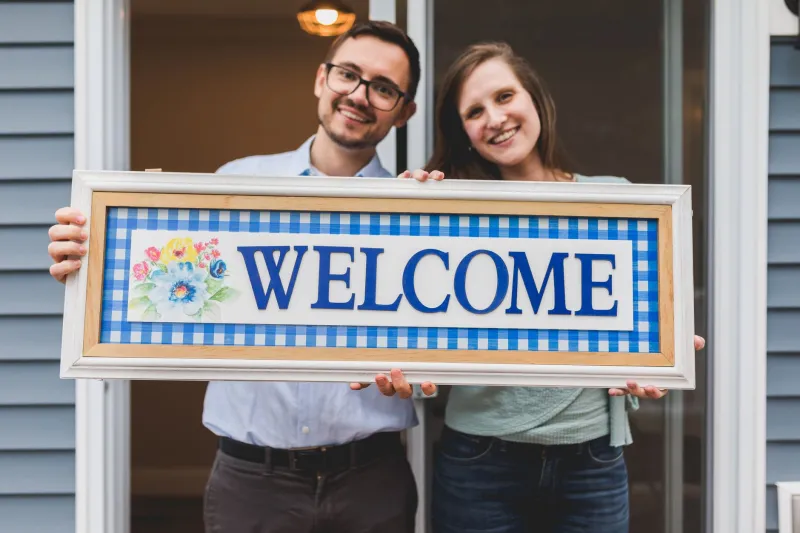
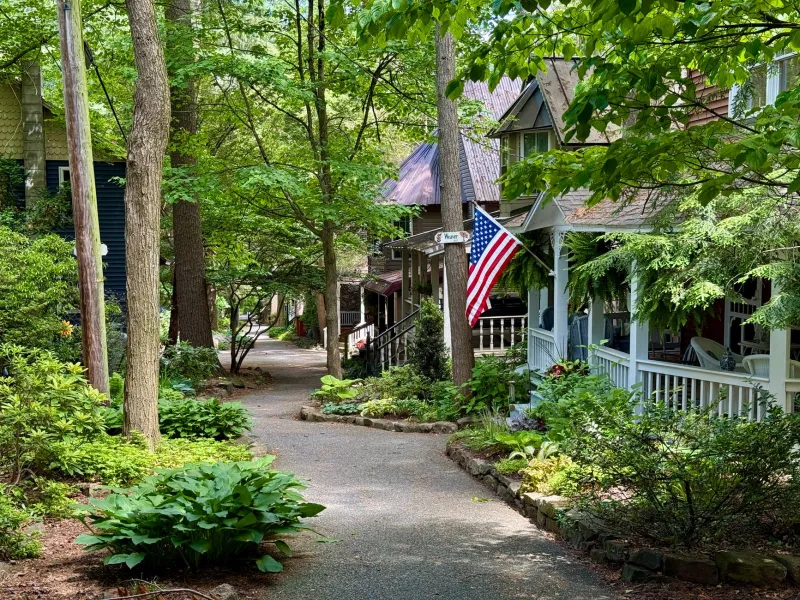
That last part matters more than most people realize. A front porch with a single lit lamp on a dark evening. A doormat that's clearly been used and loved, not just placed for show. A seasonal wreath that says someone here pays attention to the world outside. These are small things. They cost almost nothing. But they whisper welcome before you've said a single word.
Inside, the transition from entryway to living space sets the emotional tone for the entire visit. Hooks for coats, a basket for shoes, a small table where someone can set down their bag — these aren't just organizational tools. They're physical permission slips. They say: put your things down. You don't have to hold everything here.
The Scent of Something That Loves You Back
If there's one thing that consistently shows up in the research on comfort and belonging, it's smell. Our olfactory system is wired directly to the brain's emotional center, which means scent bypasses logic entirely and goes straight to feeling. This is why the smell of something baking — even something as simple as a store-bought tube of cinnamon rolls popped in the oven before guests arrive — can shift the entire atmosphere of a home.
You don't have to be a baker. You don't even have to be cooking. A simmer pot on the stove with orange peels, cinnamon sticks, and a splash of vanilla can fill a whole house in under twenty minutes. A soy candle in the living room. Fresh herbs on the kitchen counter. These aren't tricks — they're invitations. They tell your nervous system that you are in a place where good things happen, where someone took the time, where you are worth the effort.
Give Every Person a Place to Land
One of the most underrated elements of a truly welcoming home is the presence of what designers sometimes call an "anchor chair" — a seat that feels like it was made for exactly the kind of long, unhurried conversation you most need to have. It doesn't have to be fancy. In fact, the more worn-in it is, the better. A chair that shows it's been sat in, leaned back in, napped in — that chair communicates something a pristine showroom piece never could.
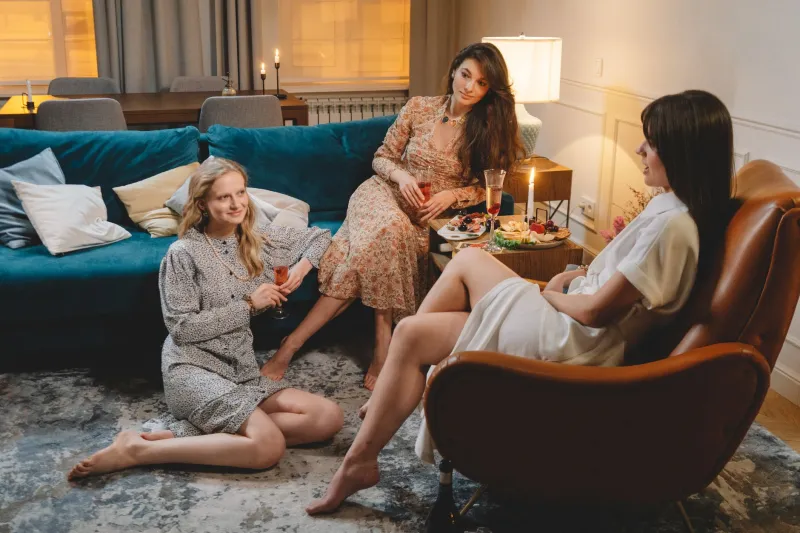
Beyond the anchor chair, think about what your seating arrangement actually encourages. Chairs and sofas that face each other invite conversation. A sectional that pulls everyone into a loose circle creates the feeling of a campfire without the campfire. Lighting matters here too — overhead fluorescents create a clinical, transactional energy, while lamps and warm-toned bulbs create the kind of glow that makes people feel like they're in a painting they don't want to step out of.
The goal isn't Instagram-worthy. The goal is stay-worthy.
The Kitchen as Community Space
In almost every culture and in almost every American home, the kitchen is where people end up. You can have a beautifully arranged living room and a spotless dining table, and guests will still migrate toward the sound of something simmering and the easy rhythm of someone moving around a stove. This isn't a design failure — it's a feature.
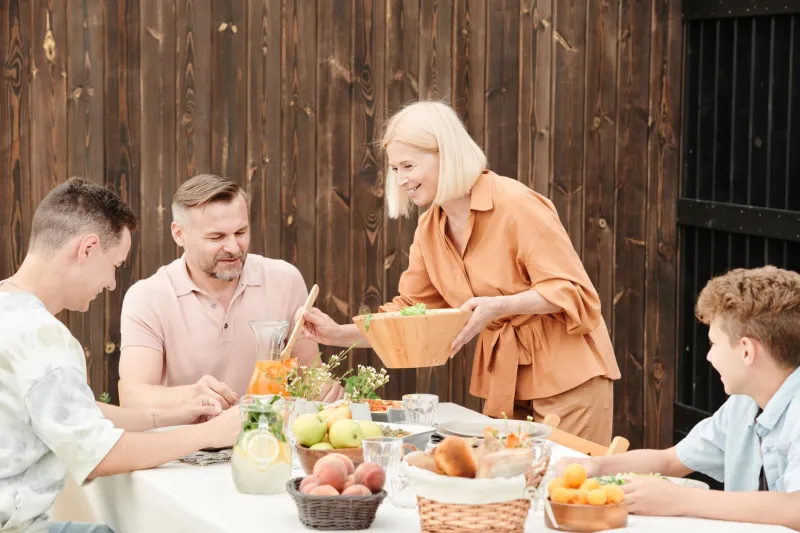
Lean into it. Keep a stool or two at the kitchen counter so guests can sit while you cook. Put out something to snack on early — a bowl of nuts, a sliced apple, a plate of cheese — so people have a reason to gather before the meal is ready. Ask for help with something small, even if you don't need it. Handing someone a task ("can you stir this?", "can you grab the salt?") is one of the oldest and most effective ways to make a person feel genuinely included rather than just hosted.
People linger in kitchens because kitchens feel like the real part of a home. Let yours be exactly that.
The Ritual of the Almost-Goodbye
Here's something worth thinking about: the homes people most want to return to are often the ones where the goodbye itself felt good. Not rushed, not perfunctory, not the awkward shuffle toward the door while the host is already mentally clearing the table.
The almost-goodbye — that long, warm stretch between "I should really get going" and actually getting gone — is a gift you can give your guests. It happens when there's no pressure to wrap up, when the conversation is still flowing, when someone offers one more cup of tea without making it feel like a big deal. It happens when the host is genuinely present, not already somewhere else.
You can't manufacture this moment, but you can create the conditions for it. End the evening with something low-key rather than high-energy — a quieter playlist, a dessert that invites slowing down, a question that opens a new thread of conversation just as things are winding up. Let the goodbye breathe.
Your Home as a Hug
At the end of the day, the homes that people never want to leave aren't defined by their square footage or their décor. They're defined by the feeling they create — the specific, irreplaceable sense that in this place, you are known and you are welcomed and you don't have to perform.
That feeling is something you build, detail by detail, choice by choice. It's in the lamp you leave on by the door. The chair that's been sat in a thousand times. The smell that meets people before you do. The moment you hand someone a wooden spoon and ask them to stir.
It's a hug made out of a house. And the people in your life will feel it — every single time they walk through your door, and long after they finally, reluctantly, drive away.