Hot Dish, Warm Heart: How Ordinary Americans Are Quietly Rebuilding the Art of Showing Up
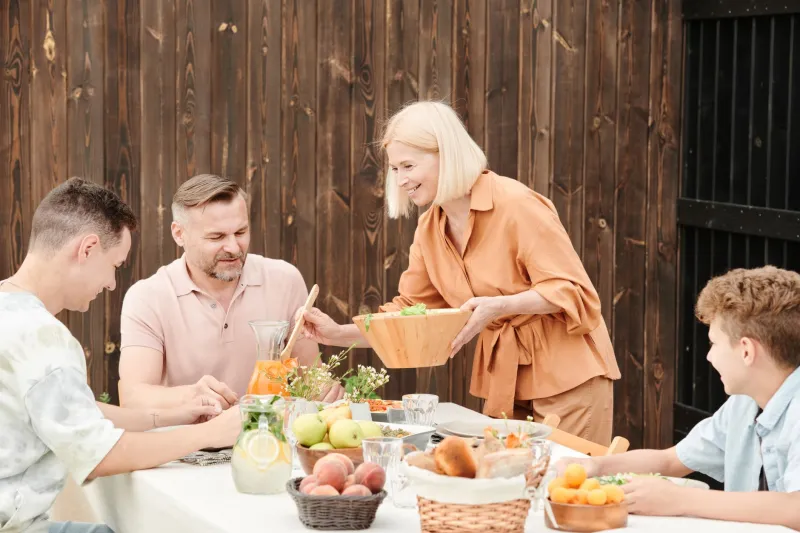
Somewhere in suburban Columbus, Ohio, a woman named Diane baked a chicken and rice casserole for a family she had never formally met. Their baby had just come home from the NICU after six weeks, and someone in the neighborhood Facebook group had posted a quiet call for help. Diane signed up for a Tuesday dinner slot on the meal train, wrapped the dish in foil, and left it on a porch she'd only ever driven past.
She says she cried the whole way home. Not from sadness — from something she couldn't quite name at first. Later, she figured it out. "I felt needed," she told me. "Actually, genuinely needed by someone. I didn't realize how long it had been since I'd felt that way."
Diane's story isn't unusual anymore. Across the United States, a quiet and deeply human movement is gaining momentum — one that doesn't have a sleek brand name or a celebrity spokesperson. It lives in neighborhood apps and church bulletin boards and group texts. It looks like lasagna on a doorstep, a stranger mowing a sick neighbor's lawn, a "casserole crew" organized through a local parents' group. And it may be doing more for our collective wellbeing than almost anything else we've tried.
Where This Instinct Comes From
This isn't a new idea. It's actually one of the oldest ideas Americans have ever had.
During the Great Depression, mutual aid wasn't a hashtag — it was how people survived. Neighbors shared food, childcare, tools, and labor because the alternative was going without. Communities that had almost nothing found ways to make sure nobody went hungry alone. Quilting bees, barn raisings, church potlucks — these weren't just social events. They were infrastructure.
That same instinct showed up again after September 11th, after Hurricane Katrina, after COVID-19 hit and suddenly everyone needed something and the usual systems couldn't keep up. Mutual aid networks exploded during the pandemic — hyper-local, informal, and remarkably effective. People organized spreadsheets to deliver groceries to elderly neighbors. Community fridges appeared on street corners in cities from Portland to Atlanta. Strangers sewed masks for other strangers.
What's different now is that some of those networks didn't disappear when the crisis faded. They just... kept going.
The Science of Giving (And Why It Helps You Too)
Here's the part that might surprise you: the research on helping others is almost startlingly consistent. Giving help — real, tangible, in-person help — does something measurable and significant to the mental health of the person doing the giving.
Studies out of institutions like the University of Michigan and the London School of Economics have found that people who regularly volunteer or assist others report lower rates of depression, higher life satisfaction, and even longer lifespans. One particularly compelling line of research suggests that the mental health boost from giving help is actually greater than the boost from receiving it. Psychologists call it the "helper's high" — a genuine neurological reward that kicks in when we act in service of someone else's wellbeing.
What's even more interesting is that this effect is amplified when the help is local and personal. Writing a check to a distant charity is generous. Dropping off soup to the exhausted new mom three blocks over does something different to your nervous system entirely. Proximity matters. Knowing the person's name — or even just their face — matters.
Dr. Sara Konrath, a researcher at Indiana University who has spent years studying empathy and giving, has described this as "the caring effect" — the idea that genuine connection through acts of care creates a feedback loop of wellbeing for everyone involved.
What Modern Casserole Crews Actually Look Like
The modern version of this tradition is messier and more beautiful than any organized program could design on purpose.
In Nashville, a neighborhood Facebook group called "Sylvan Park Helps" has over 3,000 members and operates as an informal switchboard for everything from emergency childcare to furniture donations to meal coordination after a loss. The group has no budget, no staff, and no official leadership. It runs entirely on the energy of people who decided that knowing their neighbors mattered.
In Minneapolis, a network of women started what they call the "Hot Dish Brigade" — a rotating list of volunteers who bring meals to families dealing with illness, new babies, or job loss. The name is deliberate and a little funny. "We wanted it to feel approachable," one of the founders explained. "Not like charity. Just like what neighbors do."
In smaller towns, the infrastructure is even simpler: a group text, a sign-up sheet at the local diner, a church secretary who knows everyone's situation and quietly coordinates. The technology changes. The impulse doesn't.
Meal train platforms like MealTrain.com and TakeThemAMeal.com have seen significant growth over the past few years — not just for illness or bereavement, but for life transitions of all kinds. Moving to a new city. Going through a divorce. Caring for an aging parent. People are finding reasons to show up for each other that go beyond the traditional moments of crisis.
What Happens When You Ring That Doorbell
Let's be honest: showing up for someone you barely know can feel awkward. What do you say? What if they don't want the intrusion? What if your cooking isn't good enough?
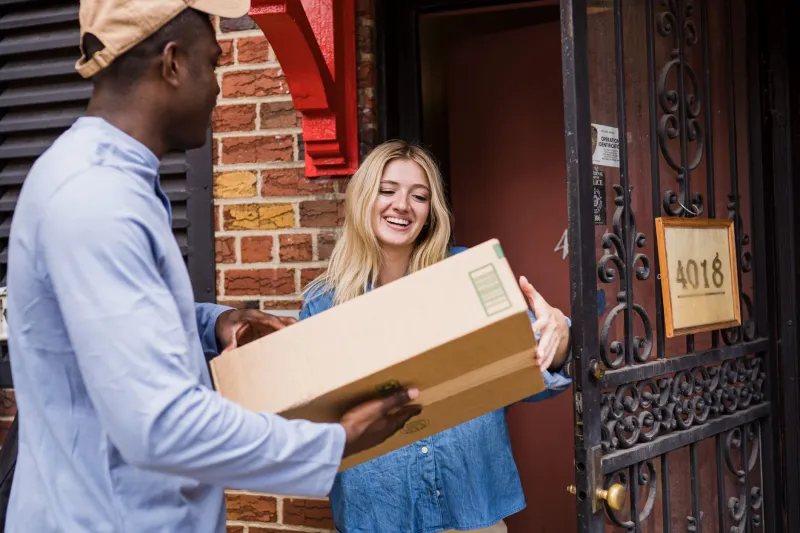
Every single person I've spoken to who has done this — who has wrapped up a dish and walked up to a stranger's door — says the same thing: the awkwardness lasts about thirty seconds. What comes after it lasts much longer.
There's a moment of genuine human contact that happens on a doorstep that almost nothing else can replicate. No screen, no filter, no algorithm curating the interaction. Just two people, a warm dish between them, and the unspoken acknowledgment that one of them saw the other's need and decided to answer it.
For the giver, that moment is often the thing they carry with them for days. For the receiver, it can feel like being caught by the world just when they thought they were falling through it.
Your Invitation to Show Up
You don't have to join a formal organization or sign up for a program. You don't have to be an exceptional cook or have unlimited time. The entry point here is remarkably low.
Find your neighborhood Facebook group or Nextdoor community and turn on the notifications for a week. See what people are asking for. See what needs are going unmet. You might be surprised how close to home the opportunity is.
If you want to go further, look up whether your area has an active mutual aid network — sites like MutualAidHub.org can help you find one. Or simply ask around at your place of worship, your kids' school, or your local coffee shop. Chances are, someone nearby already knows who needs a meal this week.
The casserole — that humble, unglamorous, deeply American dish — has always been a vehicle for something bigger than food. It's a way of saying: I see you. I'm here. You're not doing this alone.
In a world that can feel increasingly fragmented and isolating, that message is quietly revolutionary. And the beautiful thing is, it turns out that delivering it is just as good for you as it is for the person at the door.
Maybe that's the real secret the casserole crews already know: showing up for someone else is how you remember that you belong somewhere too.