The Habits of People Who Are Never Lonely: 7 Small Moves That Change Everything
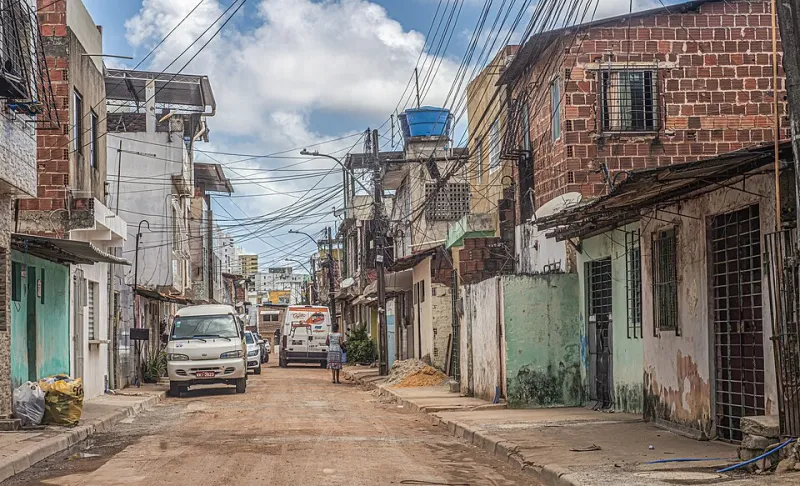
Photo: Wilfredor, CC0, via Wikimedia Commons
Every neighborhood has one. The person whose porch always has a visitor. The one who knew about the new baby, the job loss, and the kidney stone before anyone else. The one who will have three hundred people at their funeral and, more importantly, three hundred people who knew they were loved before then.
We tend to assume these people are extroverted, or lucky, or blessed with a charming porch. But after years of writing about community — and talking to sociologists, pastors, hospice workers, and those very people themselves — I can tell you it's none of those things.
It's habits. Small, boring, repeatable ones. Here are the seven that show up again and again.
1. They Initiate — Every Single Time, If Necessary
This is the big one. People who feel held by their communities stopped waiting to be invited years ago. They send the text, suggest the Saturday, propose the walk. Sociologists call this "bridging behavior," and its absence is the number one reason adult friendships wither. Someone has to go first. They've simply accepted that someone is them.
Copy it: Pick one person you've been meaning to reach. Initiate today. Don't wait for the invite that isn't coming.
2. They Remember the Small Anniversaries
Not just birthdays — the surgery date, the anniversary of the loss, the day the divorce finalized, the first day at the new job. A simple "thinking of you today" on a hard date lands with astonishing force, because almost nobody else remembered.
Copy it: Keep a running note on your phone. When someone mentions a hard date, write it down. Set a reminder.
3. They Ask Second-Layer Questions
"How are you?" gets "fine." People who feel connected have learned to go one layer deeper: "How's your mom doing since the move?" "What's the best thing that happened this week?" These questions signal I was paying attention, and I'm asking again on purpose.
4. They Show Up to the Unremarkable Stuff
Birthday parties are easy. But the people who are truly embedded show up for the Tuesday soccer game, the church potluck nobody's excited about, the garage sale. Researchers studying social capital note that low-stakes, repeated contact — not deep conversations — is what actually builds trust. Presence over profundity.
5. They're Known for Something They Give
The cookie person. The one who drives people to appointments. The plant-sharer. Having a role in a community — even a tiny, silly one — is the difference between attending a community and belonging to one.
Copy it: Claim one small job nobody wants. Show up with it regularly.
6. They Let Themselves Be Helped
Here's the habit that surprises people. The most connected folks aren't just givers — they're gracious receivers. They accept the meal, borrow the ladder, admit the hard season out loud. Vulnerability is the doorbell that lets community in.
7. They Live at a Speed That Allows Interruption
Maybe the quietest habit of all. Connected people build slack into their days. They can stop for the driveway conversation. They're not so scheduled that a neighbor's crisis has no room to land. Rush is the silent killer of community.
Quick Self-Assessment: How Held Are You?
Score yourself — 1 point per "yes":
- Have I initiated a plan with a friend in the past two weeks?
- Do I know one hard date coming up for someone I love?
- Could I name what's actually going on in three acquaintances' lives?
- Did I show up to anything low-stakes and local this month?
- Am I known for giving something specific to my community?
- Have I accepted help — not just offered it — in the past month?
- Could a neighbor interrupt me this week without feeling like a burden?
5–7: You're the porch person. Keep going. 3–4: Solid foundation — pick one habit to sharpen. 0–2: Beautiful. You've found your starting line. Pick habit #1 and begin today.
None of this requires charisma, a big house, or a small town. Just seven small moves, practiced until they're simply who you are.