Don't Start the Car Yet: The Unhurried Magic of the Ten Minutes After Goodbye
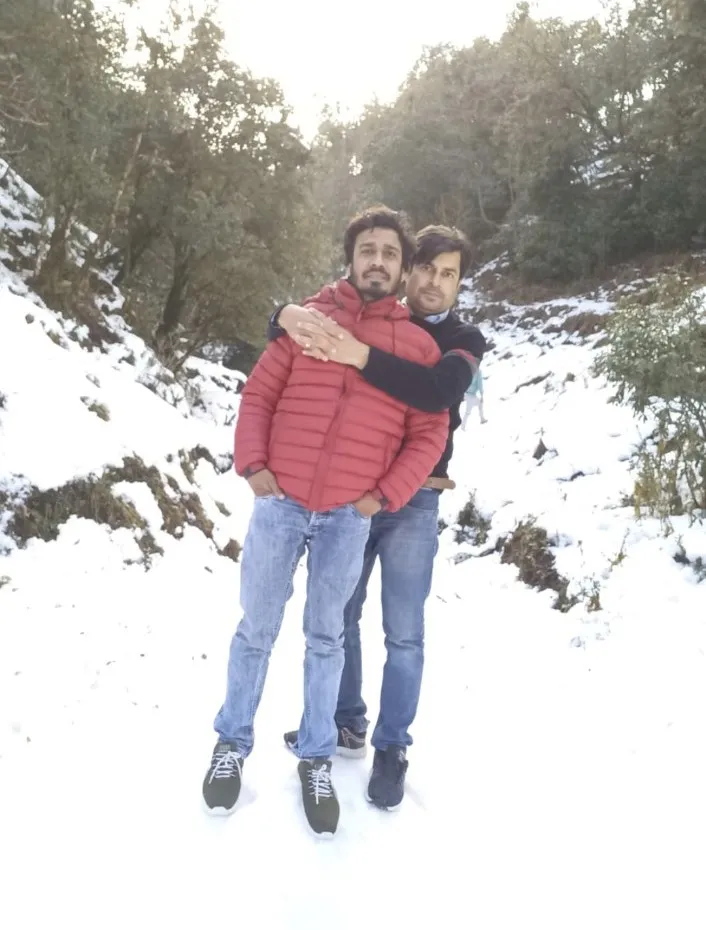
Photo: Saddam19, CC BY-SA 4.0, via Wikimedia Commons
The best conversation I had last month happened next to a minivan
It was after a Wednesday night church potluck, the kind where everyone says “we should do this more often” and then drives home. I was walking to my car with a woman I'd known for years but never really talked to. We stood by her trunk for twenty minutes. She told me about her father's diagnosis. I told her about a thing I hadn't said out loud to anyone. Then we hugged, and she drove home, and I sat in my car for a minute before turning the key.
Nothing about that conversation was planned. It happened because neither of us got in the car fast enough.
The strange intimacy of a transition space
There's a word for places like parking lots, church steps, school pickup lines, and the sidewalk outside a restaurant: liminal spaces. In-between places. Not the event, not home. And something about being in-between makes people say the true thing.
Part of it is that the host duties are over. You're not passing the dip or introducing anyone or worrying about the playlist. Part of it is that the next obligation hasn't started yet. There's a small pocket of unclaimed time, and in that pocket, people loosen their grip on the script.
Why we say more when we're standing side by side
There's a reason therapy offices have two chairs angled slightly away from each other, and it isn't just furniture arrangement. Shoulder-to-shoulder conversation can feel easier than face-to-face conversation, especially for men and for anyone who finds direct eye contact intense. Staring at the same streetlight takes the pressure off.
Parking lots also have a built-in ending. You both know the conversation will stop when someone gets in the car, so there's a safety net. Bounded conversations tend to go deeper than open-ended ones, because nobody is worried about how to leave.
And there's the physical stuff: car doors, grocery bags, keys, the little dance of “I'll let you go.” Small tasks give your hands something to do while your mouth says something real.
How to recognize a parking-lot moment
It usually starts with one of these:
- Someone slows down instead of beelining to their car.
- Keys come out, but nobody presses the button.
- A person leans against a car door like they've got nowhere to be.
- You hear “oh, one more thing” — the universal signal that the real conversation is about to start.
- Someone asks a second question after you've already said “good.”
When you notice one of these, don't fill the silence with logistics. Stay a minute longer.
Small moves that make room for one
Linger at the edge of the lot. Instead of walking straight to your car, pause near the sidewalk. It's an invitation without a word.
Walk people out. In a lot of cultures this is just good manners. Here, it's become rare enough to feel like care.
Offer to help carry something. A folding chair, a casserole dish, a sleeping toddler. It buys you fifty feet of side-by-side time.
Put your phone in the car. Or at least in your pocket. A phone in your hand says “I'm already gone.”
Ask a second question. “How's your week actually going?” is different from “How are you?” Most people answer the first one honestly.
Turn the engine off at school pickup. If you're early, get out and stand by the door. You'll run into three other parents doing the same thing, and one of them will have something to say.
The etiquette of not holding the parking lot hostage
A parking-lot conversation is a gift, not a trap. Read the cues. If someone's car is already running, or their hand is on the door handle, or they've said “well” twice, let them go — warmly.
“I'm so glad we caught each other. Get home safe.”
That's a benediction and a release at the same time. It leaves the door open for next week.
The point isn't actually the parking lot
The point is that connection doesn't always need a reservation, a table, or a two-hour block on the calendar. Sometimes it needs ten minutes and a Honda Civic.
So the next time you're walking someone to their car, don't rush it. Stand there for a minute. The conversation you didn't plan might be the one you needed.