One Person Who Really Gets You: The Surprising Science Behind Feeling Truly Known

Here's something I've been sitting with lately: you can be surrounded by people — at work, at the gym, even at a dinner table full of friends — and still feel completely invisible. Not ignored, exactly. Just... unseen. Like everyone around you knows the version of you that shows up, but nobody really knows you.
If that hits close to home, I want you to know you're not alone. And more importantly, I want to tell you that what you're feeling has a name, a whole body of research behind it, and — this is the part I love — a genuinely hopeful path forward.
The Difference Between Being Liked and Feeling Known
Social media has done something sneaky to us. It's trained us to measure connection in likes, comments, and follower counts. And look, I get it — there's a real little dopamine hit when a post lands well. But researchers who study human belonging have been pretty clear: that kind of validation and the deep sense of being known by another person are not the same thing. Not even close.
Psychologists use the term mattering to describe the specific human need to feel significant to at least one other person — to believe that someone notices when you're there, cares when you're struggling, and would genuinely feel your absence if you were gone. It's distinct from popularity, status, or even being well-liked. You can have all three and still score low on mattering.
Researcher Gordon Flett, who has spent decades studying this concept, describes mattering as operating on two levels: feeling that you are important to someone, and feeling that you are relied upon. Both pieces matter (no pun intended). When either one is missing, we tend to feel a kind of low-grade emotional static — an unease that's hard to name but impossible to ignore.
 Photo: Gordon Flett, via i2-prod.mirror.co.uk
What Attachment Theory Has to Do With It
If you've ever heard the term "attachment style" floating around wellness spaces, here's where it gets really relevant. Attachment theory — originally developed by British psychologist John Bowlby and later expanded by researchers like Mary Ainsworth — tells us that humans are wired from infancy to seek out a specific kind of connection: one that is consistent, responsive, and emotionally attuned.
 Photo: Mary Ainsworth, via s.bibliaon.com
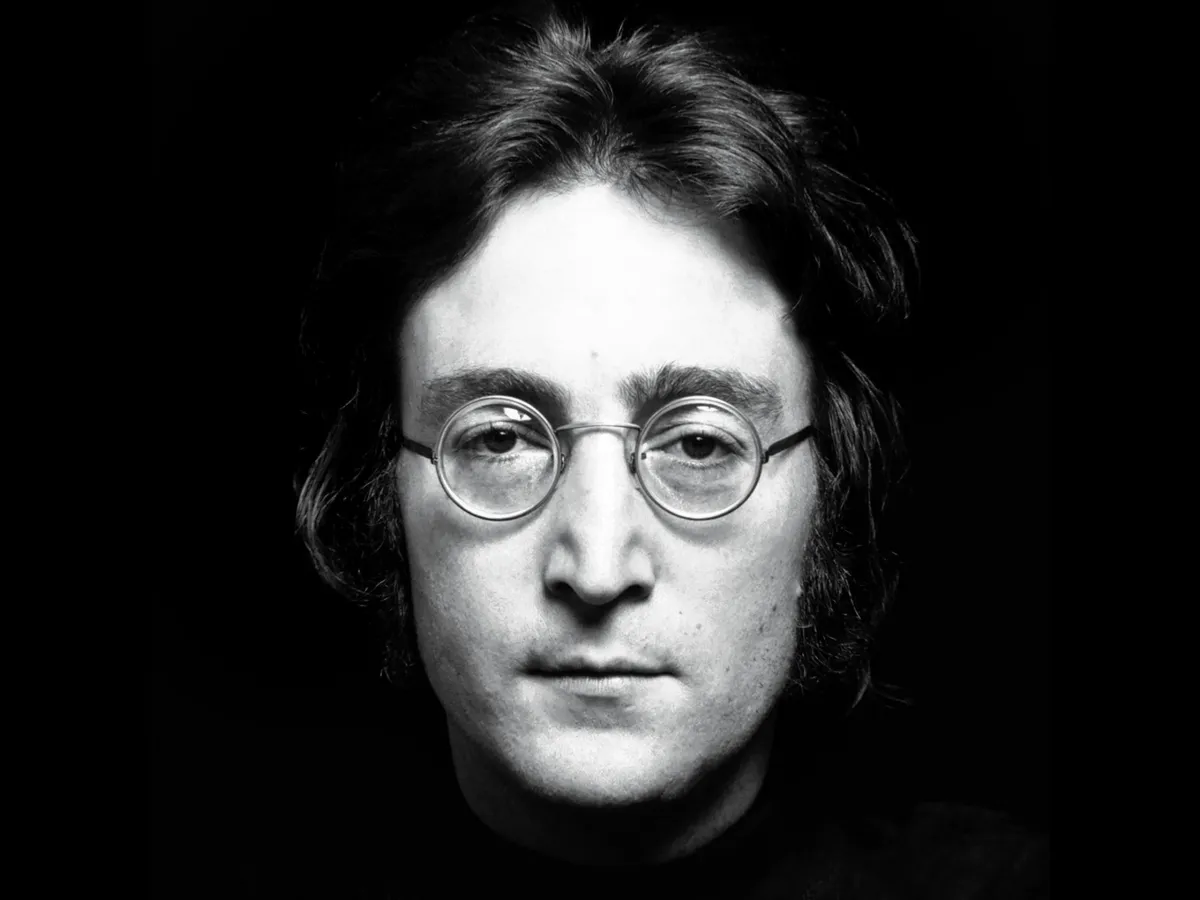 Photo: John Bowlby, via m.media-amazon.com
In plain English? We need someone who pays attention to us, responds to what we actually feel (not just what we say), and who shows up reliably enough that we stop bracing for them to disappear.
What's fascinating is that this need doesn't go away in adulthood. Our nervous systems are still quietly scanning every room we walk into, asking: Is there someone here who sees me? Is it safe to be myself? When the answer is yes — even from just one person — something genuinely shifts in our biology. Cortisol levels drop. The prefrontal cortex (the part of your brain responsible for emotional regulation and clear thinking) operates better. You sleep more soundly. You're more resilient when life gets hard.
One study published in the journal Psychological Science found that people who felt a strong sense of mattering reported significantly lower rates of depression and anxiety, regardless of how large or small their social circle was. The size of your network mattered far less than the depth of even a single relationship within it.
Why Performing for Approval Is Exhausting Your Soul
Here's something I've noticed in my own life, and I suspect you might recognize it too: there's a particular kind of exhaustion that comes from spending time with people you're performing for. Even if the performance is subtle — editing your opinions a little, downplaying a struggle, laughing at something that didn't land as funny — it costs you something.
Psychologists call this self-monitoring, and while a little of it is just social grace, chronically high self-monitoring is associated with lower self-esteem, increased loneliness, and — here's the kicker — less relationship satisfaction, not more. When we're too busy managing how we're being perceived, we lose access to the actual connection we came for.
This is why being truly known feels so different from being liked. Being liked often requires a performance. Being known requires you to put the script down.
How to Actually Cultivate This Kind of Connection
Okay, so this is the part where I want to get real and practical with you, because talking about the neuroscience is great but it doesn't help much if you're sitting there thinking but how do I actually find this in my life?
Start with reciprocal vulnerability. Research by Brené Brown and others consistently shows that intimacy is built through mutual disclosure — not just you sharing, and not just the other person sharing, but a gradual, back-and-forth deepening of honesty. The next time you're with someone you'd like to feel closer to, try sharing something slightly more real than you normally would. See what comes back.
Choose depth over breadth. Instead of spreading your social energy across a dozen surface-level friendships, consider investing more intentionally in one or two relationships where there's already a spark of genuine understanding. Water those plants.
Practice being witnessed — not fixed. One of the most powerful things you can offer someone (and ask for in return) is simply being present with their experience without rushing to solve it. Saying "that sounds really hard" lands differently than "here's what you should do." The former says: I see you. The latter says: let me move past this discomfort quickly.
Notice who you're relaxed around. Your nervous system is smarter than your conscious mind. Pay attention to who you feel yourself exhale around — who you don't edit yourself for. Those are the people worth prioritizing.
A Hug Is More Than a Gesture
You know why I love what we're building here at Emma's Hug? Because a hug — a real one — is one of the most primal expressions of I see you, I'm here, you matter to me. It's not performative. You can't fake the warmth of it. And I think that's exactly the kind of connection more of us are quietly starving for.
You don't need a massive community to feel whole. You don't need to be everyone's favorite person. You just need to be truly known by someone — and to offer that same gift in return.
That's not a small thing. According to the science, it might actually be everything.
Which relationship in your life feels most like home? I'd love to hear about it in the comments below.